


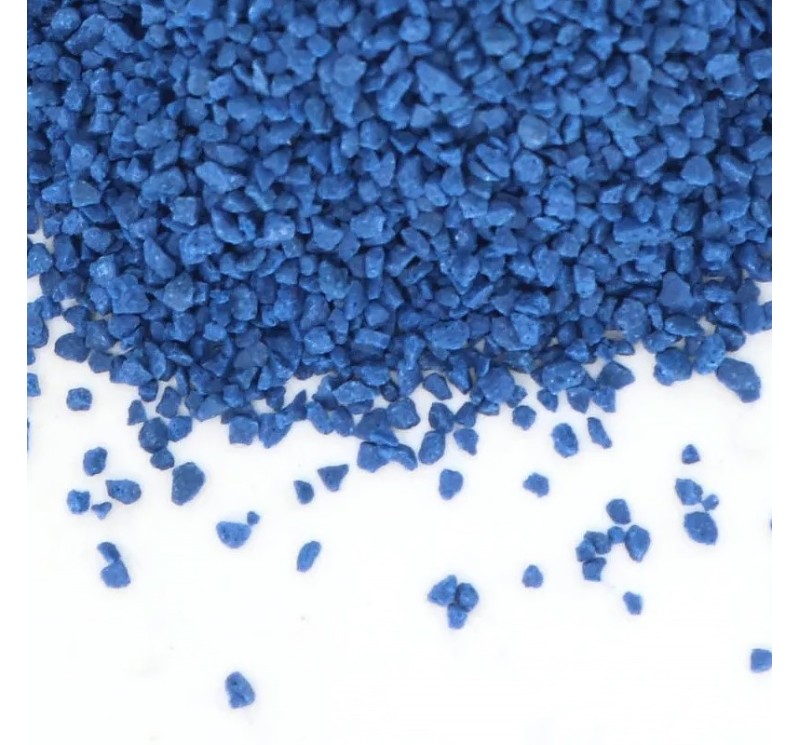
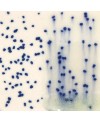

Flecks + Specks Drizzle SPFX colored grog creates cobalt blue specks and flowing glaze streaks, adding a bold, dynamic special effect to ceramic surfaces.
Flecks + Specks Drizzle SPFX colored grog creates cobalt blue specks and flowing glaze streaks, adding a bold, dynamic special effect to ceramic surfaces.
Flecks + Specks Drizzle SPFX colored grog creates cobalt blue specks and flowing glaze streaks, adding a bold, dynamic special effect to ceramic surfaces.
Flecks + Specks Drizzle SPFX is a special-effect colored grog in a cobalt blue shade. Beneath a glaze, it creates vivid blue specks and, under suitable conditions, can pull the color into decorative runs that bleed into or through the glaze. It performs best on smooth, light-colored clay bodies, especially porcelain, although darker clays can still show distinct cobalt blue spots.
Flecks + Specks colored grog is made from colored clay that is fired, crushed and carefully graded by grain size. Like traditional grog, it can help reduce clay shrinkage and cracking while adding decorative color and texture.
It can be used with porcelain, stoneware, earthenware and casting slip. It is suitable for wheel throwing, handbuilding and slab work. The grog can be wedged into the clay, rolled into the surface or pressed individually into soft clay. Sizes S and M can also be added to properly prepared casting slip.
Flecks + Specks grog is available in our shop in three sizes: S – 40 mesh, M – 30 mesh and L – 20 mesh. Finer grains create a subtler, more even effect and a smoother surface, while size L produces a bolder, more organic texture.
Drizzle SPFX works best with fluid glazes, particularly on vertical surfaces where gravity can pull the blue color downward into decorative runs. On flat surfaces, the effect may remain as cobalt blue specks. A thicker glaze application, a slower firing schedule or a 2–10 minute hold at peak temperature can encourage more movement. The effect may also show through opaque, stiff white glazes.
The product can be fired between 1000°C and approximately 1300°C. Testing is recommended before reduction firing. Drizzle SPFX may fume onto kiln shelves when it is in direct contact with them, so pieces should be fired on kiln-washed shelves or on kiln cookies.
Avoid inhaling dust and use appropriate personal protective equipment when handling the product. Finished pieces may be suitable for food contact when properly covered with a food-safe glaze.

Data sheet
You might also like
